Article
citation information:
Almaghlouth, T.N., Gazder,
U., Abudayyeh, O. Framework for the sustainable transition to smart mobility
for car-dependent cities. Scientific
Journal of Silesian University of Technology. Series Transport. 2026, 131, 23-44. ISSN: 0209-3324. DOI: https://doi.org/10.20858/sjsutst.2026.131.2
Talal Nabeel ALMAGHLOUTH[1], Uneb GAZDER[2],
Osama ABUDAYYEH[3]
FRAMEWORK FOR THE
SUSTAINABLE TRANSITION TO SMART MOBILITY FOR CAR-DEPENDENT CITIES
Summary. Despite efforts being
made by various governments towards smart mobility adoption, no studies have
been carried out to propose a framework to integrate smart mobility into the
current transport system, especially for car-dependent cities in the Gulf region.
This study aims to develop a comprehensive framework identifying smart mobility
solutions, their challenges, and all the major initiatives and stakeholders by
employing a mixed-method approach. The proposed framework is based on the
established smart mobility ecosystem and has been shaped using common themes
occurring in the regional context of Saudi Arabia after validating it through
expert advice and international scholarly evidence. This study found that
public transport, autonomous vehicles, and shared mobility are among the
preferred smart solutions in the literature as well as in government-funded
initiative programs. The analysis cites safety as one of the most important
aspects of smart mobility, which aligns with the global sustainability goals. Mobility
experts also suggested starting with the pilot projects for the smart mobility
solutions before wide-scale implementation. Accordingly, the resulting proposed
comprehensive framework was developed to achieve a transition towards SM
solutions with better understanding and clarity. The framework was further
validated by key decision-makers in the transport domain, both the government
and the private sectors. The well-established theoretical basis and robust
method adopted to develop the proposed make it equally viable for other
car-dependent cities.
Keywords: smart mobility transition framework, stakeholder engagement, smart
mobility ecosystem, car dependent cities, sustainable mobility
1. INTRODUCTION
The
global urban population is growing with limited transport options. Already, 56
percent of the world’s population lives in cities; by 2050, nearly seven in ten
people will do so [1]. Saudi Arabia’s urbanization trend is also growing as
people migrate to cities for jobs, education, health care, etc. In response,
the Saudi government and decision-makers are investing in smart mobility (SM)
solutions, such as the Riyadh metro, public transport, autonomous vehicles, and
shared and sustainable mobility options.
SM
is crucial for several reasons. First and foremost, it enhances connectivity
and accessibility, providing people with better access to services, businesses,
and events [2]. Secondly, SM brings efficiency to transport systems by
optimizing the use of available resources such as fuel, time, and
infrastructure, reducing the overall transport cost [3]. With the integration
of digital technologies and data-driven solutions of SM, transport providers
can detect potential safety hazards and take corrective measures before
accidents occur [4]. Lastly, SM is a key solution for reducing the negative
impact of transport systems on the environment [5]. Based on the literature
review of SM definitions, there is no consensus on the requirements or
attributes that characterize the smartness that cities strive to achieve [6].
Consequently,
there is no framework found in the present literature that can facilitate the
transition to SM options, considering infrastructure and behavioral
changes. Therefore, defining and identifying the possible SM ecosystem
requirements is crucial for providing the right direction to achieve the SM
transition. This research aims to employ a rich mixed-method approach for
developing a comprehensive framework for managing such a sustainable transition
to SM for the ultimate transformation to future smart cities. The
sustainability of the framework and its associated transition require an
all-inclusive approach, which has been taken in this research. The framework
addresses the needs of all major initiatives and stakeholders incorporated
through several studies made during this research. In addition, a review of the
previous research and policy documents has also been conducted and considered
for the framework's development. The framework was applied and validated for
Saudi Arabia as a prototype. However, it is expected that the proposed
framework will also be equally viable for other countries that are pursuing the
transition to SM solutions due to the robust approach covering different
aspects of the problem.
2. LITERATURE REVIEW
In
recent years, with global sustainability challenges and limited resources, the
problem of urban mobility has exploded. Consequently, new approaches have been
proposed to study and tackle mobility problems. For instance, [7] talked about
the "sustainable mobility paradigm" that gives special attention to
the user's needs. The European Commission [8] specified the three pillars
of a smart city: energy, transport, and Information and Communication
Technology (ICT). Scientific literature underlines the role of the transport
planning process in attaining sustainable solutions for catering to urban
mobility demands [9].
This
implies the necessity to gain more insight into the transport systems and their
components (demand, supply, and interactions). This is possible with the
support of Transport System Models (TSM) integrated with ICT tools that feed
decision support systems inside Intelligent Transport Systems (ITS).
According
to Caragliu et al. [10], ICT infrastructure,
traditional transport, and human capital are the keys to smart cities. Thus,
within the context of smart cities, using ICTs in urban transport has played a
prominent role in promoting SM. The digital revolution and the transport sector
have converged to form the concept of SM [11]. SM is multi-faceted and has
recently piqued the interest of local authorities and several other
stakeholders involved in city planning and development [12, 13]. In this regard, Alonso-Munhoz et al. [14]
suggested that SM can improve sustainability, minimize carbon solutions,
improve quality of life, and reduce traffic and parking challenges.
SM
includes connected and autonomous vehicles, public transport, mass transit,
biking, walking, and shared mobility [15]. The literature indicates that SM is
well-recognized as an important component of transforming urban areas into
smart cities. SM encompasses a variety of areas of interest; for example, as
per USAMI [16], the main areas of SM may include safer driving with
vehicle-to-vehicle (V2V) and vehicle-to-infrastructure (V2I) systems, efficient
street lighting using low-energy solutions, shared mobility for urban areas by
encouraging multimodal transport, eco-friendly electric mobility providing,
green mobility reducing reliance on hydrocarbons, and new payment procedures
using ICT and other modern payment structures.
The
entire system of SM is carried on two main elements, the technological backbone
of Intelligent Transport Systems (ITS) and the service model of shared
mobility. The ITS has transformed the lifestyle of the inhabitants in modern
urban cities. Paiva et al. [2] reported that ITS could help achieve efficient
mobility systems using variable message signs offering real-time information
about congestion, accidents, etc. These ITS solutions help reduce total travel
time along with comfort and safety. According to Aldalbahi
and Walker [1], integrating ITS with roads and other transport modes makes
existing mobility systems ecologically sustainable, efficient, and safer.
However, this integration is not an easy task and poses challenges for urban
cities, such as gathering and analyzing huge sets of
data, which is also called ‘big data” [17].
ITS
services provided the critical data and connectivity elements to the shared
mobility systems, optimizing their operations and services. A SM ecosystem may
comprise three modes of shared mobility solutions: ridesharing [18], on-demand
ride services [19, 20] and public transport.
A
notable milestone related to ride sharing was achieved in 2016 with an
aggressive implementation of car-sharing solutions [19, 20]. The launch of
Uber’s product, Uberpool, has since been a great
success in New York. The second notable milestone was the introduction of
autonomous public transport in 2019. The use of these vehicles designed by
Optimus Ride, a self-driving car company, has since taken New York by storm.
New York is still on course to achieve full SM transition. The introduction of
zero-emission vehicles (ZEVs) in 2021 is a testimony to the efforts implemented
in the city [21, 22].
Ride
sharing, integrated with infrastructure through the Internet of Things (IoT)
and technologies like mobile apps, can do wonders in urban mobility. Currently,
there is no system that makes public transport easy and convenient in Saudi
Arabia. Moreover, the current research extensively focuses on the technological
and ride-sharing service while overlooking the socio-cultural aspects in most
of the cases. Most importantly, the opinions of different stakeholders and
their readiness are rarely considered in the studies concerning SM transition.
It is vital that different types of data, collection methods, and analysis techniques
are applied to cover all relevant aspects of the multifaceted SM transition
problem. Hence, this study tries to fill in on these gaps by employing a rich
array of qualitative and quantitative techniques in order to develop its
proposed transition framework while incorporating various dimensions.
3. RESEARCH METHODOLOGY
Transportation
planning studies rely heavily on the preferences of transport users for the
sustainability of proposed solutions [23]. Effective engagement of the users
can bring about better policy directions, improved local services, possibly new
ways to initiate or plan for a particular situation and a better understanding
of the local situation by technical experts and community members [24].
In
this research, a framework for managing a sustainable transition to SM is
proposed. The methodology followed a four-step process, which is shown in Fig.
1 and described below in more detail.
Firstly,
a comprehensive literature review of research using a qualitative research
method with an inductive approach to develop key findings from the literature
review. In this step, all relevant criteria and processes involved in the SM
ecosystem were identified. To support the findings, government’s white paper
and strategies related to SM in Saudi Arabia was carried out. The review of
local documents was due to the ease of access to these documents, but the
findings were validated by prior scholarly evidence before being incorporated
into the proposed framework.
Once
the criteria were identified, the research approach shifted from an inductive
to a deductive approach. Survey questionnaires were created to solicit feedback
from the experts and common users to evaluate the criteria. After this step,
selected smart mobility modes were ranked based on research and questionnaire
analysis. These rankings helped in understanding the preferred choices and
their respective variables/parameters.
The
next step comprised developing the multiple criteria decision analysis (MCDA)
model based on inferred criteria for the preferred choices (SM modes) of
experts and users from the survey questionnaire developed in Step 2. Analytic
Hierarchy Process (AHP) analysis was carried out using a pairwise comparison
matrix for the preferred modes and their inferred criteria. The findings from
the local experts and users were analyzed to identify
unique and common aspects, in comparison to international literature, to ensure
the robustness of the framework.
The
next step presents a framework developed based on government priorities for SM
solutions and customization mechanisms based on the survey results. A panel of
experts further validated these values and preferences for a possible
transition towards SM. The applicability of the framework became apparent
through this activity because of the endorsement of experts at this stage who
had vast exposure, experience, and higher qualification than of the experts
contacted at this stage. All the surveys for this research were done
sequentially, as per Fig. 1, from December 2021 to June 2022.
In
this manner, the study implemented different analysis methods for different
purposes. In this manner, a mixed-method approach ensured its transferability
and the robustness of the proposed framework.
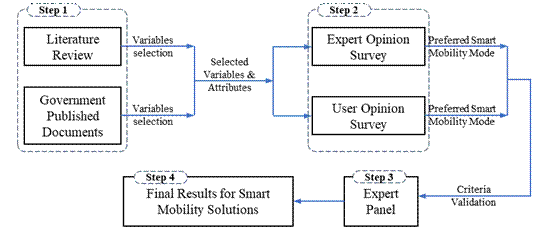
Fig. 1.
Research methodology for framework design
4. QUESTIONNAIRE SURVEYS
4.1. User and expert smart mobility mode choice
rankings
The
surveys were built to answer direct smart mobility questions and were designed
to cover two groups of users: mobility suppliers and users. The questions were
designed according to the level of expertise of the survey group. Questionnaire
surveys comprised an important source of data for this research.
A
pilot survey was carried out for both groups to finalize the questionnaires. An
online questionnaire was developed using QuestionPro
platform and basic structure can be seen in Fig. 2 below. The online
survey was available in both “English” and “Arabic” languages for the
responder’s convenience, and they were given the choice before starting the
Basic Questions sections as shown below. The demographic features formed the
questionnaire’s first section. This section was the common part for
both sets of surveys, i.e., the User and Supplier surveys. The second part
presents the general beliefs and preferences of common users and experts
concerning today's transport conditions in Saudi Arabia.
This study was a non-interventional survey for
which ethical approval was not required under the guidelines of University of
Bahrain and Bahrain’s national regulations. The research presented no more than
minimal risk to participants, responses were collected anonymously, and
informed consent was obtained from all subjects. A non-probability sampling method has been
used in this study, which is convenience sampling (online survey method) [25].
This method has been selected to consider only an educated group of common
users and a few selected public and private professionals in the transport
industry. A password-controlled Supplier survey was carried out to target
researchers and professionals. These professionals belonged to the relevant
organizations/ministries in the government sector or to transport service
provider companies (such as bus, truck, and taxi companies). A total of 250
participants completed the survey. This included 205 general users and 45
transport experts. As suggested by Risher and Hair [26], the minimum sample
size should be between 10 to 15 times the number of observed variables. As the
user survey contained 16 questions, the sample size would be 12.81 times the
number of observed variables (205 participants/16 observed variables). Noy and
Govini [27] used 22 online questionnaires out of a total of 118 survey samples
in their study. The study targeted transport experts and entrepreneurs related
to SM. Similarly, Xydis et al. [28] carried out an SM study based on the
opinion of 61 transport experts through the survey questionnaire. Based on the
above studies, smaller sample sizes seem acceptable for surveys focused on
experts, as it would be considered similar to the focus group. Hence, the
sample size of the supplier survey in this study may also be justified.
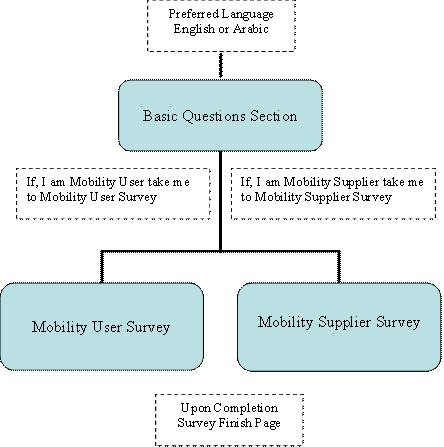
Fig. 2. Structure of user and expert
questionnaire surveys
4.2. Multicriteria decision-making survey
AHP
was applied to determine the precise interdependencies among selected multiple
criteria for the smart mobility solutions. The process was carried out using
Microsoft Excel and exhibited in Fig. 3. Five criteria have been selected for
the multiple criteria analysis. The criteria were selected based on the
previous research and are already identified and discussed as an important
challenge for the smart mobility ecosystem in section 2. The selected criteria
included cost, flexibility, infrastructure, safety, and speed.
AHP,
developed by Saaty [29] is one of the common methods used for pairwise
comparison data. In this method, multiple criteria are compared pairwise
through the use of the hierarchy process. The questionnaire for mobility
experts was developed for the pairwise comparison of the selected five
variables. Experts were asked to give their preference for the respective
variables. For example, how much is the cost important in comparison to safety
in the context of smart mobility. The experts chose on a linguistic scale from
equal importance to extreme importance.
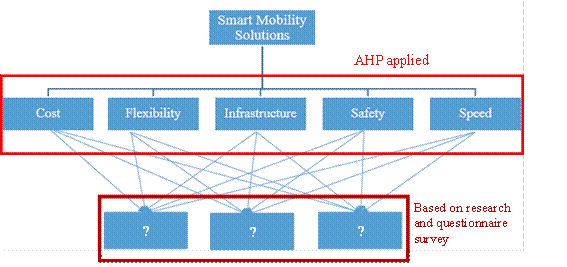
Fig. 3.
AHP model for smart mobility multi criteria decision-making
Şahin
and Yurdugül [30] stated that the most commonly used
sample size, for the AHP method ranges between 2-100 experts. Darko et al. [31]
mentioned that there is no such minimum sample size for carrying out AHP
analysis and cited studies using a sample size between 4 to 9 experts.
Therefore, for weighing the criteria, 20 transport experts were selected for
the pairwise comparison questionnaire to rank the selected variables for smart
mobility solutions. Based upon the discussion of the above studies, such a
sample size can be considered sufficient for this analysis.
4.3. Validation survey
In
the second stage, a questionnaire was developed to validate the basic
parameters of the framework using the focused group method. The focus group
members consisted of 5 experts from the field of transport and mobility who
were asked to complete a survey that asked questions about SM. The selected
experts of the focus group were ministry leaders and chief executive officers
from private and government sectors. An online questionnaire was developed
using the Question Pro platform. The questionnaire comprised eight questions.
The first four questions targeted demographic and general questions, whereas
the last four questions targeted validating the designed framework.
5. RESULTS AND DISCUSSION
This
section discusses the results of the policy review, online surveys,
Multiple-Criteria Decision Analysis (MCDA), and validation surveys.
5.1. Results of the policy review
Several
policy documents were reviewed to gain the core insight about the smart
mobility solutions prioritized by Saudi government initiatives and the method
and level of their incorporation in the policies. A brief description of the
reviewed policy documents is provided below for perspective.
The
National Spatial Strategy (NSS) is a strategic tool for cross-sectoral
operations that provides a link between the programs, initiatives, and projects
prepared by all ministries and public agencies, as well as by the private
sector and civil society.
National
Transport and Logistics Strategy (NTLS) focuses on developing a multimodal,
sustainable, and futuristic transport and logistics sector led by national
capabilities to transform Saudi Arabia into a global logistics hub.
Learning
from the international experience of integrating technology and using smart
principles in planning and mobility, key recommendations are proposed under the
Integration between Transport Planning and Management and Multi-Dimensions of
Urban Planning of Saudi Arabia (ITUP) initiative program.
It was essential to analyze the key findings from these documents to identify the smartest
solutions preferred by the important government-funded initiative programs.
Therefore, a summary table has been devised to analyze
the frequency of different SM elements in each initiative program discussed in
the previous section. The analysis results are presented in Tab. 1, showing strong and direct
alignment with the core SM solutions identified in this study (Section 2):
Public Transport, Autonomous Vehicles, Shared Mobility, and ITS, showing the
common grounds for the transition mechanism to smart mobility.
The alignment of strategy and
implementation is evidenced by mega-projects, such as the Riyadh Metro, and the
development of a master transportation plan under NTLS. These efforts
correspond to the widely accepted and utilized SM framework.
Tab.
1
Alignment of SM solutions with Saudi
government initiatives
|
Smart Mobility
Solution |
National Spatial
Strategy (NSS) |
National Transport
& Logistics Strategy (NTLS) |
Integration for
Urban Planning (ITUP) |
Direct Link to
Study Framework |
|
Public Transport |
○ |
● |
● |
● |
|
Autonomous Vehicles |
|
● |
○ |
● |
|
Shared Mobility |
|
● |
|
● |
|
Intelligent
Transport Systems (ITS) / Big Data |
○ |
● |
● |
● |
|
Supporting / Enabling
Solutions |
|
|
|
|
|
Adaptation of New
Tech / Advanced Streets |
● |
|
|
|
|
Adaptive Traffic
Signals |
|
|
● |
|
|
Autonomous Public
Transport |
|
|
● |
|
|
Integrated
Passenger Info / Ticketing |
|
|
● |
|
|
Public Transport
Priority |
● |
● |
|
|
|
Traffic Safety |
|
|
● |
|
● (Direct): Explicitly mentioned as a focus or project within the initiative.
○ (Indirect): Supported or enabled by the initiative's goals but not a primary named
solution.
Blank: Not addressed by the
initiative.
5.2. Results of the
questionnaire survey
To
begin with, an online pilot questionnaire was sent to several colleagues,
regarded as experts in the field of SM, in December 2021. Following that, the first stage
questionnaire was finalized and was distributed online, as mentioned
before. The questionnaire results were collected separately via two links,
i.e., 1) the Mobility Users survey and 2) the Mobility Supplier survey. The
data were collected from the 26th of December 2021 until the 28th of February
2022. Participants were introduced to the questionnaire's objectives and
purpose before completing it.
The
mobility user survey had 326 total responses. After applying filters for
irrelevant and incomplete surveys, the study sample of 205 participants
(appendix A1) was finalized for analysis.
The
mobility supplier survey, which was sent to selected organizations and
professionals, was password controlled. After filtering the irrelevant and
incomplete responses, the total final responses qualified for the analysis came
to be 45 Out of 250 survey questionnaires (appendix A2).
The
Statistical Package for the Social Sciences (SPSS) was used for the statistical
analysis to check for any dependency between the categorical variables related
to each question. Descriptive and cross-table analyses were performed among the
variables in the questionnaire.
Both
groups (users and suppliers) were predominantly male, aged 25-34, based in
Eastern Province or Riyadh. The key divergence was in the prior knowledge of
the participants wherein 86.7% of experts were familiar with "Smart
Mobility" vs. 45.4% of users. This difference establishes the supplier
group's informed perspective.
A
deeper look at the supplier respondents and their organizational activities
shows two important aspects (Tab. 2 and 3) which confirm the informed
perspective assumption. Firstly, majority of them were affiliated with
organizations who are actively involved in SM projects. Secondly, a significant
proportion (16 out of 45) of the expert respondents hold decision making
positions in their organizations. Hence, their opinions and insights are deeply
rooted in their practical experience, knowledge and expertise.
Despite
this distinction, majorities in both groups reported being
"unsatisfied" or "neutral" regarding current transportation
options. There was a strong consensus on the need for change, with over 80% of
each group (82% users, 86.7% experts) stating it is "Very Important"
to develop alternative smart mobility solutions.
Fig.
4 reveals priorities of future transportation choices in both types of surveys.
Public transport is the top-ranked priority for both types of respondents,
selected by 46% users and 44% suppliers, which directly aligns with government
priorities analyzed in Tab. 1. Users' second
choice is autonomous vehicles (20%), while experts show a slightly more
distributed preference between car-sharing and autonomous vehicles. The
difference in opinion could stem from the suppliers’ concerns regarding near-term
autonomous vehicle implementation challenges. Ride-sharing is ranked lowest by
both groups. Similar trends were observed in another study [32] which focused
on finding preference of smart mobility options in Singapore. This provides
evidence of common perceptual mechanisms among travelers
of different regions with regards to smart mobility options. A chi-square test
performed on the user participants showed that gender was the only
demographic factor with a p-value < 0.002 affecting satisfaction.
This finding also resonates with the available literature as shown by Kendziorra et al. [33] in their review paper which
establishes it as a global pattern. They attributed this difference to safety
perception of female travelers. Similar tests were
performed for other characteristics which returned insignificant results.
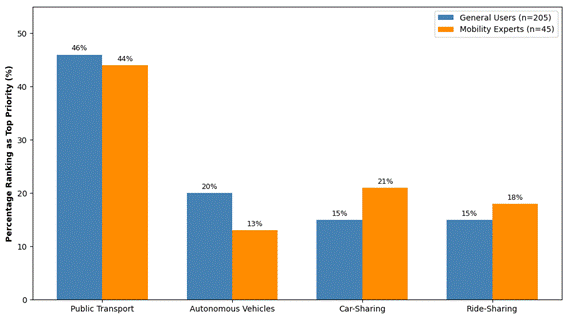
Fig. 4. Top-ranked SM solution by respondent group
Figure
5 reveals a concerning gap in participants’ attitude and behavior.
Despite the fact that the public transport was selected more than any other
mode for recommended systems, a large majority of both groups stated that they
would continue using a private car for personal travel (78.5% of
users, 71% of experts). This highlights the central challenge for smart
mobility shifts in a car-dependent culture. In such context, stated preference
for a sustainable alternative mode does not necessarily show willingness to
change personal travel behavior. This “Attitude-Behavior Gap” is not exclusive to the gulf region or
car-dependent countries. A study done in Norway showed the same differences in
perception and practice on the basis of privacy and access issues (Last-Mile
barriers) [34]. Therefore, it appears to be a global issue in adoption of smart
and sustainable mobility options despite being attributed to different causal
factors.
In
terms of challenges to transition to SM, suppliers identified cooperation
between stakeholders as the most important challenge (27%), followed
by development costs and policy/goal alignment (per Fig. 6).
Such observations provide insights beyond superficial user perceptions. These
aspects have also been empirically proven as barriers and possible reasons for
smart mobility failures [35]. Supplier responses also indicate that their
organizations' plans align with stated priorities, among which ~ 50% are involved
in public transport projects and 20% in autonomous vehicle projects
(per Fig. 7). Almost all (98%) of the experts agree on the critical need
for pilot projects before wide-scale implementation.
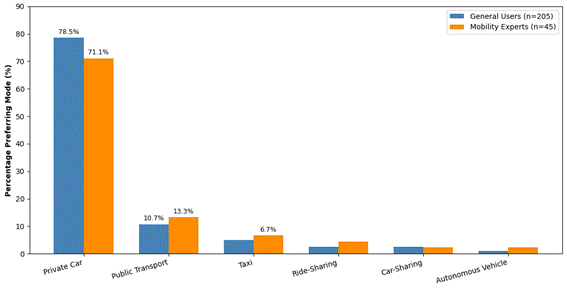
Fig. 5. Personal travel preference within city
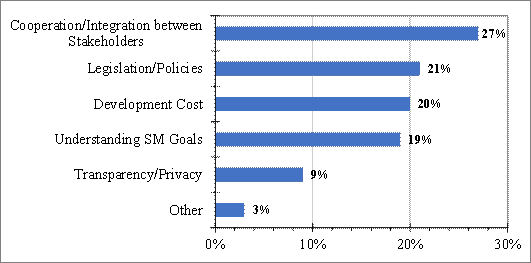
Fig. 6. Challenges associated with SM solutions
The
breakdown between public and private sector focus (Fig. 8) provides nuanced
insights. On one hand, the public sector shows stronger engagement in public
transport and autonomous vehicles, while the private sector has a relatively
greater focus on shared mobility solutions. This underscores the complementary
roles different stakeholders would play in the SM transition. However,
most of the experts emphasized that public sector organizations are the
foremost in driving SM transition (Tab. 4). The success of such collaborative
mechanisms is validated through practical examples, such as the Helsinki
mobility system in Finland, wherein the government provides the public
transport and acts as an initiator and facilitator for ride sharing services
that are provided by the private sector [36].
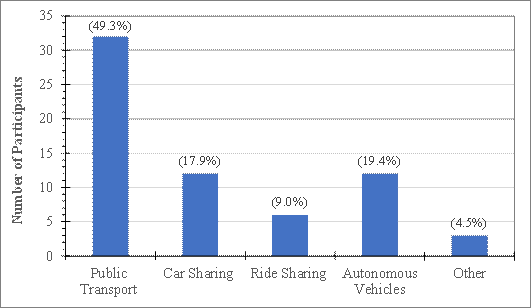
Fig. 7. Mobility solution projects offered or
planned by stakeholders’ organizations
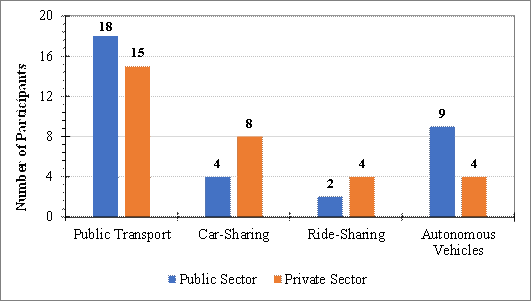
Fig. 8. Comparison between public and private sector
– future projects
Tab.
2
Alignment
of SM solutions with Saudi government initiatives
|
Question |
Option |
Q2 - Is your organization directly involved in SM Initiatives? |
Total |
|||
|
Yes |
Partially yes |
No |
Not Sure |
|||
|
Q3 - Are you a decision-maker in your company? |
Yes |
10 |
16 |
2 |
0 |
16 |
|
No |
6 |
29 |
6 |
4 |
29 |
|
|
Total |
16 |
17 |
8 |
4 |
45 |
|
Tab.
3
Decision makers and their organizations
|
Question |
Option |
Q4 - My
responsibility in my company is? |
Total |
|
|
Local |
Regional |
|||
|
Q3 - Are
you a decision-maker in your company? |
Yes |
8 |
8 |
16 |
|
No |
27 |
2 |
29 |
|
|
Total |
35 |
10 |
40 |
|
Tab. 4
Best placed organizations selected
by experts
|
Industry/Sectors |
Selection by
Participants |
Selection
percentage |
Industry/Sectors |
|
Automotive |
12 |
8.89% |
Automotive |
|
Consultant/Engineers |
16 |
11.85% |
Consultant/Engineers |
|
Government/Public |
30 |
22.22% |
Government/Public |
|
Ministries |
19 |
14.07% |
Ministries |
|
Transport/logistics |
29 |
21.48% |
Transport/logistics |
|
Media,
Entertainment |
8 |
5.93% |
Media,
Entertainment |
|
Energy/Oil/Gas |
8 |
5.93% |
Energy/Oil/Gas |
|
Telecommunication
services |
7 |
5.19% |
Telecommunication
services |
|
Software services |
6 |
4.44% |
Software services |
5.3. Multiple Criteria AHP analysis
The
pairwise comparison questionnaire results were evaluated to find the importance
of each criterion in comparison to the other in pairs. This was on the Saaty’s
scale of 1 to 9, considering the 5 criteria. The calculations were done using a
Microsoft Excel sheet created by Goepel [37].
Answers
from the 20 responses of the experts were filled in a pairwise comparison
matrix. After that, each value in each column of the filled matrix was divided
by the sum of the respective column to calculate its normalized score.
Consistency ratios were calculated, which came out to be less than 0.1 for the analyzed matrix; therefore, the answers from the 20 experts
are consistent for ensuring the research answers and results.
As
shown in Tab. 5 safety is ranked with the highest importance by experts. Because of the multifaceted nature of road
accidents, experts around the world have been actively trying to solve this
problem for many years [38]. As a result of policies and concepts like
"Vision Zero", road traffic safety policies have been seen as
potentially promising on a global scale [39]. Safety has also become an
important parameter when it comes to smart mobility initiatives in Saudi
Arabia. According to NSS [40], Saudi Arabia tends to move forward with the
objective of improving life quality, better safety and security of their
citizens. Furthermore, Goal eleven of Vision 2030 also makes it a priority to
make urban cities more resilient, secure, and sustainable with a strong focus
on making them safer. Thus, the literature and administrative focus dictate
that safety should be given priority over other parameters during planning and
design phases for ensuring trust from the stakeholders. The rest of the
parameters are closely packed from the weightage perspective, and experts think
infrastructure should have the least importance when comparing against selected
parameters shown in Tab. 5.
Tab.
5
Rankings of variables based on weightage
|
Variable |
Weightage |
Ranking |
|
Safety |
41.0% |
1 |
|
Flexibility |
16.9% |
2 |
|
Cost |
14.4% |
3 |
|
Speed |
14.3% |
4 |
|
Infrastructure |
13.4% |
5 |
6. ROADMAP AND FRAMEWORK TO TRANSITION TO SMART MOBILITY
Based
on the qualitative review, survey results, and analysis done by the
researchers, a roadmap for transition to SM was developed, which is shown
in Fig. 9. This roadmap could play an
important role as a strategic tool for the desired outcome and includes the
major milestones needed to reach it. The roadmap covers the well-known
challenges to the adoption of smart mobility which have been highlighted in this
study and confirmed in previous literature, such as alignment of stakeholders
and policies. This road map is an extension of the current research; hence, the
initial steps have already been carried out during this research at a smaller
scale. The researchers envision that it could serve as a guideline for the
relevant stakeholders to initiate and carry out the transition toward SM in car
dependent cities. In line with government initiatives, these milestones should
be finished within 5 years so that the actual execution of the SM project may
start in time to achieve the desired objectives.
A
comprehensive framework for transition to SM, developed in the course of this
research, can be seen in Fig. 10. This framework identifies key areas and
elements for shifting towards new SM options and provides dimensions to work
along for achieving a successful shift. The foundations of this framework are
based on the alignment of findings from this study with previous literature and
benchmarked practices. Some of the important aspects are the identification of
stakeholders and an inclusive approach toward them in the transition process,
the prioritized list of SM options, and the highlighting of the most important
challenges for the transition. These linkages between the framework and current
research are provided on the right-hand side of Fig. 10.
A
validation survey was conducted in a focus group to validate the framework. In
this focus group, all five participants were men with at least a graduate
education in transport-related fields. All five participants were men having at
least graduate education in the fields related to transportation. 3
participants (out of 5) had the post-graduate degree (master’s or PhD). Three
of them work in government/public sectors, and the other two work in the
private mobility sector. All the expert participants said that their respective
organizations are directly involved in SM initiatives. All these experts are
well-versed in the knowledge of SM in local and global contexts; hence, their
endorsement of the findings of this research serves as the validation of the
international application of the proposed framework.
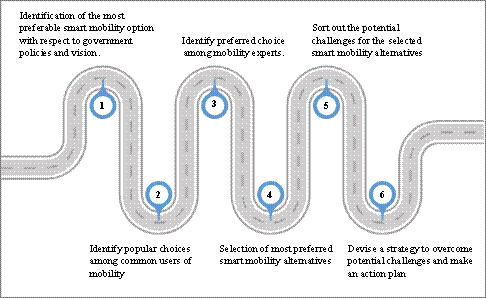
Fig. 9. SM transition roadmap
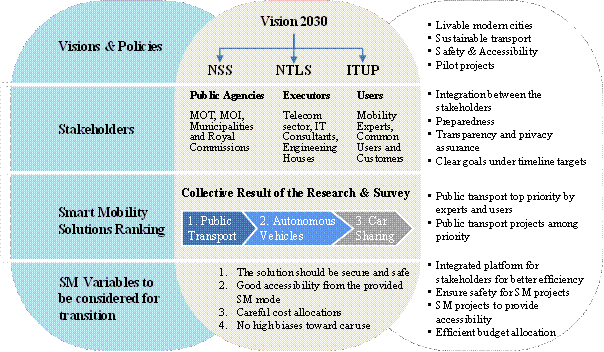
Fig. 10. SM executed framework
The
responses to the initial four questions (related to the professional background
and educational level) served as a justification for selecting these
participants for the validation survey. Afterward, three specific questions
were asked to validate the framework. Question 5 was directed toward the
observed ranking of preferred SM options in the research study. Four out of
five participants agreed on the ranking order of the study (Public Transport,
Autonomous Vehicles and Car Sharing, respectively). This question was directed
towards the observed ranking of preferred smart mobility options in the
research study. 4 out of 5 participants agreed on the ranking order of the
study, whereas 1 participant appeared to be in disagreement. Since 80% of the
participants agreed with the ranking, it can be said that "experts agree
with the ranking results of this research study”.
Question
6 asked if the experts agree or disagree with the following ranking of the
smart mobility elements for implementing smart mobility modes in Saudi Arabia
(Safety, Flexibility, and Cost, respectively). Similar to the results of
question five, 80% of the experts agreed with the ranking suggested by this
research study. One participant did not agree with the ranking order. As 80% (4
out of 5) of the respondents agreed with the ranking, it can be said that
“experts are in agreement with the results of this study”.
Question
7 asked if the experts agree or disagree with the following statement:
“Governance failures cause complications and inefficiency of the smart mobility
paradigm, especially at the implementation level". Among the major
findings of this study is the fact that lack of integration leads to governance
issues, which impedes the implementation of smart mobility initiatives. All
five participants agreed to this statement. Thus, it can be concluded that
“this study's results have been endorsed by experts”
Lastly,
experts were asked for any suggestions regarding the study; one of the
participants advised the usage of smart apps on mobile phones, such as parking
apps, car-sharing apps, etc. From the results of this validation survey, it is
evident that “the results of this study are largely agreed upon by the
experts”. Thus, the proposed framework could be considered applicable for the
transition to SM. The confirmation of this validation survey further reinforces
the validity of this transferable framework, which complies with the reported
trends in the literature and successfully incorporates proven mechanisms.
7.
CONCLUSIONS AND FUTURE WORK
This
research study has focused on developing and validating a strategic framework
for the transition to SM. To achieve this goal, multiple aspects of the
problems were considered, including previous research, government policies and
initiatives, and the perspective of users and mobility experts. This
multisectoral and all-inclusive approach was adopted to ensure that the
resulting framework is robust and transferable.
Based
on the literature review, the SM ecosystem was developed for the study
objectives. A strategic perspective on the SM transition was acquired by going
through the national and regional policies, strategies, and the published white
papers by various government agencies. Moreover, questionnaire surveys were
developed for the common users and mobility experts for their opinions and
reviews regarding the current and future mobility systems. In the end, the
following conclusions were drawn from this study:
-
The review showed a clear preference for public
transport solutions, which have been receiving equal importance in the
international literature and national policies and plans further transformed
into projects and master plans.
-
Public transport was also found to be the most
preferred smart solution by the stakeholders in literature, and this study
proved that this preference is found among both common users and mobility
suppliers.
-
The response analysis highlighted the issue of the
“Attitude-Behavior Gap” among survey respondents who prefer cars for their
personal trips over other mobility options despite their affinity for public
transport as a system. This could be due to long-term car dependency inside the
Kingdom. The literature provides evidence of such disparity in other countries
that are much further progressed in terms of adoption of smart mobility,
proving it as a global phenomenon.
-
The survey results showed that mobility suppliers
think the integration of stakeholder systems is the biggest challenge for
achieving SM, followed by public policies and development costs. The finding is
supported by empirical evidence from other studies in the literature.
-
Experts consider safety to be one of the most
important aspects of SM, which aligns with international sustainability goals
and national strategic focus.
-
On the basis of the above validated findings, the
strategic framework consists of 4 main streams (vision and policies,
stakeholders, smart mobility options, and smart mobility transition valuables).
-
There is consensus among experts regarding the
elements of the proposed framework providing its practical validation, which is
in addition to its alignment with scholarly evidence.
The
robust approach of the research, implementing a mixed-method multisectoral
combination of qualitative and quantitative analysis, makes it likely to be
implemented in other circumstances. This strategic framework is expected to
help the Saudi Arabian government in its future planning with a strong
possibility to be adopted by other countries in the region.
Some
of the limitations of this research include limited sample sizes and condition
assessment of present transportation systems in car-dependent cities,
especially in Saudi Arabia and surrounding countries. With regards to the
collected data, the sample was male-dominated and had a high proportion of
respondents within 24-35 years, which limits the generalization of the results
of the survey. Another limitation of the study is related to its time of data
collection, which was in 2020-2021; hence, its results would need further
validation in the purview of the latest developments in the car-dependent
countries. Possible future directions of research may include evaluating the
effects of different policy measures on the transformation to smart mobility.
Moreover, performance and evaluation indices could be developed to measure the
effectiveness of different strategies for transitioning to smart mobility.
References
1.
Aldalbahi M., G. Walker. 2015.
„Attitudes and policy implications of urban growth boundary and traffic
congestion reduction in Riyadh, Saudi Arabia”. In: International Conference
on Data Mining.
2.
Alonso-Munhoz P.A., et al. 2025. „Exploring the future of Mobility as a
Service (MaaS): A co-design approach to scenario
planning in European cities”. Journal of Urban Mobility 8: 100133. DOI:
https://doi.org/10.1016/j.urbmob.2025.100133.
3.
Bagloee S. A., M. Tavana, M. Asadi, T.
Oliver. 2016. „Autonomous vehicles: Challenges, opportunities, and future
implications for transportation policies”. Journal of Modern Transportation
24(4): 284-303. DOI: https://doi.org/10.1007/s40534-016-0117-3.
4.
Boin R., T. Möller, V. Pokotilo, A. Ricotti,
N. Sandri. 2023. Infrastructure technologies: Challenges and solutions for
smart mobility in urban areas. McKinsey & Company: Travel, Logistics
& Infrastructure.
5.
Butler L., T. Yigitcanlar, A. Paz. 2020.
„Smart urban mobility innovations: A comprehensive review and evaluation”.
IEEE Access 8: 196034-196049. DOI:
https://doi.org/10.1109/ACCESS.2020.3031918.
6.
Caragliu A., C.F. Del Bo,
P. Nijkamp. 2023. „‘Smart cities in Europe’ revisited: A
meta-analysis of smart city economic impacts”. Journal of Urban Technology
30(4): 51-69. DOI: https://doi.org/10.1080/10630732.2023.2246477.
7.
Caragliu A., C. Del Bo,
P. Nijkamp. 2011. „Smart cities in Europe”. Journal of Urban
Technology 18 (2): 65-82. DOI:
https://doi.org/10.1080/10630732.2011.601117.
8.
Chng S., S. Anowar, L. Cheah. 2022. „Understanding shared autonomous
vehicle preferences: A comparison between shuttles, buses, ridesharing and
taxis”. Sustainability 14(20): 13656. DOI:
https://doi.org/10.3390/su142013656.
9.
European Commission. 2024. Sustainable urban mobility planning and
monitoring. Directorate-General for Mobility and Transport. Available at:
https://transport.ec.europa.eu/transport-themes/urban-transport/sustainable-urban-mobility-planning-and-monitoring_en.
10. Fatorachian H., H. Kazemi. 2025.
„Sustainable optimization strategies for on-demand transportation systems:
Enhancing efficiency and reducing energy use”. Sustainable Environment
11(1): 2464388. DOI: https://doi.org/10.1080/27658511.2025.2464388.
11. Galal H., H. Wimmer, A.
Khurana. 2022. Smart cities: Mobility ecosystems for a more sustainable
future. strategy+business, a PwC publication.
12. Golzar J., S. Noor, O.
Tajik. 2022. „Convenience sampling”. International Journal of Education and
Language Studies 1(2): 72-77.
13. Graziotin D. 2013. „An analysis of
issues against the adoption of dynamic carpooling”. arXiv
preprint. Available at: https://arxiv.org/abs/1306.0361.
14. Guzman L.A., V.A.
Cantillo-Garcia, J. Arellana, et al. 2023. „User
expectations and perceptions towards new public transport infrastructure:
Evaluating a cable car in Bogotá”. Transportation 50: 751-771. DOI:
https://doi.org/10.1007/s11116-022-10275-w.
15. IEEE Standards Association.
2024. Three mobility trends to watch for in 2024. IEEE Beyond Standards.
Available at:
https://standards.ieee.org/beyond-standards/2024-mobility-trends/.
16. Kendziorra J., M. Barmann, K.
Kusanke, A.K. Witte. 2025. „Gender and mobility – A literature review on
women’s (non-) use of shared mobility services”. In International Conference
on Wirtschaftsinformatik: 355-373. Springer,
Cham. DOI: https://doi.org/10.1007/978-3-031-61057-5_25.
17. Kim K. 2015. „Can
carsharing meet the mobility needs for the low-income neighborhoods? Lessons
from carsharing usage patterns in New York City”. Transportation Research
Part A: Policy and Practice 77: 249-260. DOI:
https://doi.org/10.1016/j.tra.2015.04.017.
18. Kleinberg J., S.
Mullainathan, M. Raghavan. 2024. „The challenge of understanding what users
want: Inconsistent preferences and engagement optimization”. Management
Science 70(9): 6336-6355. DOI: https://doi.org/10.1287/mnsc.2023.4932.
19. Kurani K.S., N. Caperello, J. TyreeHageman. 2016.
New car buyers' valuation of zero-emission vehicles: California. UC
Davis Research Reports. Available at:
https://escholarship.org/uc/item/28v320rq.
20. Maldonado Silveira Alonso
Munhoz P.A., F. da Costa Dias, C. Kowal Chinelli, A.L. Azevedo Guedes, J.A.
Neves dos Santos, W. da Silveira e Silva, C.A. Pereira Soares. 2020. „Smart
mobility: The main drivers for increasing the intelligence of urban mobility”. Sustainability
12(24): 10675. DOI: https://doi.org/10.3390/su122410675.
21. Moura F., J. de Abreu e
Silva. 2019. „Smart cities: Definitions, evolution of the concept, and examples
of initiatives”. In: Industry, Innovation and Infrastructure: 989-997.
Springer, Cham. DOI: https://doi.org/10.1007/978-3-319-95867-5_116.
22. Noy K., M. Givoni. 2018. „Is ‘smart mobility’ sustainable? Examining
the views and beliefs of transport’s technological entrepreneurs”. Sustainability
10(2): 422. DOI: https://doi.org/10.3390/su10020422.
23. Paiva S., M.A. Ahad, G.
Tripathi, N. Feroz, G. Casalino. 2021. „Enabling technologies for urban smart
mobility: Recent trends, opportunities and challenges”. Sensors 21(6):
2143. DOI: https://doi.org/10.3390/s21062143.
24. Radu L.D. 2020. „Disruptive
technologies in smart cities: A survey on current trends and challenges”. Smart
Cities 3(3): 1022-1038. DOI: https://doi.org/10.3390/smartcities3030051.
25. Risher J., J.F. Hair Jr.
2017. „The robustness of PLS across disciplines”. Academy of Business
Journal 1: 47-55.
26. Russo F., C. Rindone. 2023.
„Smart city for sustainable development: Applied processes from SUMP to MaaS at European level”. Applied Sciences 13(3):
1773. DOI: https://doi.org/10.3390/app13031773.
27. Safarpour H., Z.D.
Khorasani, H. Soori, L.K. Bagheri, Z. Ghomian, R. Mohammadi. 2020. „Vision
Zero: Evolution history and developing trend in road safety: A scoping review”.
Trauma Monthly 25(6): 275-286. DOI:
https://doi.org/10.30491/tm.2020.240217.1083.
28. Shvetsova O., A. Bialevich, J. Kim, M. Voronina. 2022. „Behavioral model
deployment for the transportation projects within a smart city ecosystem: Cases
of Germany and South Korea”. Processes 11(1): 48. DOI:
https://doi.org/10.3390/pr11010048.
29. Slowik P., D. Hall, N. Lutsey, M. Nicholas, S. Wappelhorst. 2019. Funding the
transition to all zero-emission vehicles. White paper, International
Council on Clean Transportation.
30. Sourbati M. 2020. „Age and the
city: The case of smart mobility”. In International Conference on
Human-Computer Interaction: 312-326. Springer, Cham. DOI:
https://doi.org/10.1007/978-3-030-50252-2_24.
31. Sourbati M., F. Behrendt. 2021.
„Smart mobility, age and data justice”. New Media & Society 23(6):
1398-1414. DOI: https://doi.org/10.1177/1461444820910411.
32. Syed J., F. Ali, S. Hennekam. 2018. „Gender equality in
employment in Saudi Arabia: A relational perspective”. Career
Development International 23(2): 163-177. DOI:
https://doi.org/10.1108/CDI-01-2018-0010.
33. Thøgersen J., A.
Vatn, M. Aasen, R.E. Dunlap, D.R. Fisher, O. Hellevik, P. Stern. 2021. „Why do
people continue driving conventional cars despite climate change?
Social-psychological and institutional insights from a survey of Norwegian
commuters”. Energy Research & Social Science 79: 102168. DOI:
https://doi.org/10.1016/j.erss.2021.102168.
34. Tomaszewska E.J.,
A. Florea. 2018. „Urban smart mobility in the scientific literature
– Bibliometric analysis”. Engineering Management in Production and Services
10(2): 41-56. DOI: https://doi.org/10.2478/emj-2018-0012.
35. Tutak M., J. Brodny. 2025.
„Stakeholder collaboration and open innovation in smart cities: A Quattro Helix
model for technological and social transformation”. Journal of Open
Innovation: Technology, Market, and Complexity: 100594. DOI:
https://doi.org/10.1016/j.joitmc.2025.100594.
36. Usami D.S., et al. 2017. Inventory
of assessed infrastructure risk factors and measures. Deliverable 5.4 of
the H2020 project SafetyCube. Loughborough
University: SafetyCube.
37. Verma R., M.M. Agarwal. 2025. „A systematic review
on road accident prediction: A special attention towards machine learning
and deep learning approaches”. Journal of Circuits, Systems and Computers.
DOI: https://doi.org/10.1142/S0218126625502198.
38. Viechnicki P., A. Khuperkar, T.
Fishman, W. Eggers. 2015. Smart mobility: Reducing congestion and fostering
faster, greener, and cheaper transportation options. Deloitte Smart
Mobility Research Report. Available at:
https://www2.deloitte.com/content/dam/insights/us/articles/smart-mobility-trends/DUP_1027_Smart-Mobility_MASTER1.pdf.
39. Xydis G., L. Pagliaricci,
Ž. Paužaitė, V. Grinis, G. Sallai, P. Bakonyi, R. Vician. 2021. „SMARTIES
project: The survey of needs for municipalities and trainers for smart cities”.
Challenges 12(1): 13. DOI: https://doi.org/10.3390/challe12010013.
40. Zhu J., N. Xie, Z. Cai, W.
Tang, X. Chen. 2023. „A comprehensive review of shared mobility for sustainable
transportation systems”. International Journal of Sustainable Transportation
17(5): 527-551. DOI: https://doi.org/10.1080/15568318.2022.2077772.
Appendix
Tab.
A1
Demographic frequency table – user survey result
|
Question |
Categories |
Count |
Percentage % |
|
Q1 - Are you |
Male |
126 |
61.5% |
|
Female |
79 |
38.5% |
|
|
Prefer not to answer |
0 |
0.0% |
|
|
Q2 - What is your age |
Under 18 |
0 |
0.0% |
|
18-24 |
50 |
24.4% |
|
|
25-34 |
81 |
39.5% |
|
|
35-44 |
42 |
20.5% |
|
|
45-54 |
16 |
7.8% |
|
|
55-64 |
9 |
4.4% |
|
|
Above 64 |
7 |
3.4% |
|
|
Q3 - I am based in |
Saudi Arabia |
202 |
98.5% |
|
Other |
3 |
1.5% |
|
|
Q4 - My region in Saudi Arabia is |
Riyadh |
45 |
22.0% |
|
Eastern Province |
107 |
52.2% |
|
|
Makkah/Jeddah |
19 |
9.3% |
|
|
Madina/Tabuk |
9 |
4.4% |
|
|
Asir |
3 |
1.5% |
|
|
Jizan |
5 |
2.4% |
|
|
Tabuk |
3 |
1.5% |
|
|
Ha'il |
1 |
0.5% |
|
|
Najran |
0 |
0% |
|
|
Northern Region/Al Jawf |
2 |
1.0% |
|
|
Other |
11 |
5.4% |
|
|
Q5 - What is the highest degree or level of school you have completed |
High school |
19 |
9.3% |
|
Some college |
22 |
10.7% |
|
|
Trade/vocational/technical |
6 |
2.9% |
|
|
Bachelors |
122 |
59.5% |
|
|
Masters |
32 |
15.6% |
|
|
Doctorate |
4 |
2.0% |
|
|
Q6 - Were you familiar with the term “SM” before this survey |
Yes |
93 |
45.4% |
|
No |
112 |
54.6% |
Tab.
A2
Demographic
frequency table – supplier survey result
|
Question |
Categories |
Count |
Percentage
% |
|
Q1
- Are you |
Male |
41 |
91.1% |
|
Female |
3 |
6.7% |
|
|
Prefer
not to answer |
1 |
2.2% |
|
|
Q2
- What is your age |
Under
18 |
0 |
0.0% |
|
18-24 |
0 |
0.0% |
|
|
25-34 |
23 |
51.1% |
|
|
35-44 |
13 |
28.9% |
|
|
45-54 |
5 |
11.1% |
|
|
55-64 |
4 |
8.9% |
|
|
Above
64 |
0 |
0.0% |
|
|
Q3
- I am based in |
Saudi
Arabia |
45 |
100.0% |
|
Other |
0 |
0.0% |
|
|
Q4
- My region in Saudi Arabia is |
Riyadh |
15 |
33.3% |
|
Eastern
Province |
26 |
57.8% |
|
|
Makkah/Jeddah |
2 |
4.4% |
|
|
Madina/Tabuk |
2 |
4.4% |
|
|
Asir |
0 |
0.0% |
|
|
Jizan |
0 |
0.0% |
|
|
Tabuk |
0 |
0.0% |
|
|
Ha'il |
0 |
0.0% |
|
|
Najran |
0 |
0.0% |
|
|
Northern
Region/Al Jawf |
0 |
0.0% |
|
|
Other |
0 |
0.0% |
|
|
Q5
- What is the highest degree or level of school you have completed |
High
school |
1 |
2.2% |
|
Some
college |
0 |
0.0% |
|
|
Trade/vocational/technical |
0 |
0.0% |
|
|
Bachelors |
28 |
62.2% |
|
|
Masters |
8 |
17.8% |
|
|
Doctorate |
8 |
17.8% |
|
|
Q6
- Were you familiar with the term “SM” before this survey |
Yes |
39 |
86.7% |
|
No |
6 |
13.3% |
Received 13.02.2026; accepted in revised form 20.05.2026

Scientific Journal of Silesian
University of Technology. Series Transport is licensed under a Creative
Commons Attribution 4.0 International License